Posts

Showing posts with the label assessing roof damage

7 Warning Signs That Your Roof May Need Replaced

Image
Often the signs that you need a new roof at the Lake of the Ozarks come as obvious signs such as a major roof leak. However, this is not always the case. If you don't take care to check the condition of your roof often, it could result in bigger problems down the road. To ensure your roof is in good condition, take advantage of Above & Beyond's free roof inspections at the Lake of the Ozarks ! For now, check out a few warning signs to look out for that could indicate you will need to replace your roof soon. Warning Signs That You May Need To Replace Your Roof  1) Shingle edges are curled or shingle tabs are cupped. 2) Your roof is at least 20 years old. Although many shingles today are produced for durability, many factors can accelerate the aging of shingles. For example, your shingles can be negatively impacted by improper roof ventilation. 3) Your roof looks warn and old. If your roof just looks old and warn, it is best to be proactive about replacing your...
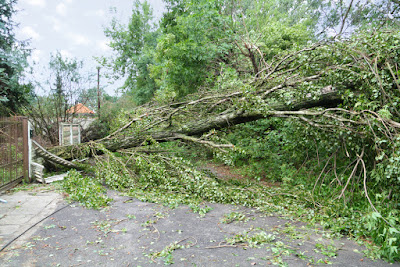
Assessing Wind Damage to Your Roof

Image
Storms that bring along strong winds can easily tear and remove shingles, leaving the roof deck or underlayment exposed to the elements. After any thunderstorms, hailstorms or tornadoes, it's important to check the condition of your roof. Our Lake of the Ozarks roofing company offers free roof inspections to help you find damage early and repair the issues before they turn into bigger problems. Keep reading to learn more about how strong winds can affect your roof. How Wind Damages Your Roof Strong winds will affect certain areas of the roof differently. According to the National Roofing Contractors Association, most wind damage to a roof starts on the edge. Areas like the corners and the perimeter of the roof are more susceptible to wind damage than the center of the roof. However, damage can occur anywhere, especially with a roof that's already in poor condition. Anywhere that the shingles are a little loose, wind can get below them and push it up. While this type of ...